Understanding Spine Health: The Role of the Best Spine Doctor in Abu Dhabi
The spine is a complex structure that serves as the backbone of human anatomy, literally and figuratively. It supports the body, allows for movement, and protects the spinal cord, which plays a crucial role in the nervous system. Given the intricate nature of spinal health, consulting the best spine doctor in Abu Dhabi can significantly enhance your understanding of spine care and treatment options available. This article will guide you through essential aspects of spine health, the types of conditions treated by specialists, and how you can maintain optimal spine health through preventive measures.
What Constitutes a Healthy Spine?
A healthy spine is characterized by proper alignment, flexibility, and strength. The vertebrae should be in correct alignment, which allows for minimal strain on the muscles and ligaments surrounding the spine. Key indicators of a healthy spine include:
- Posture: Good posture maintains spinal alignment and reduces pressure on the spine.
- Range of Motion: A healthy spine allows for a full range of movements without pain.
- Absence of Pain: Individuals with a healthy spine rarely experience pain during daily activities.
Common Spine Issues Treated by Experts
Despite best efforts to maintain spine health, various conditions can arise that require medical attention. Common spine issues include:
- Herniated Discs: Discs that bulge out and press on nerves, causing pain, numbness, or weakness.
- Scoliosis: An abnormal curvature of the spine that can cause pain and disability.
- Spinal Stenosis: Narrowing of the spinal canal that can lead to nerve compression.
- Degenerative Disc Disease: Wear and tear on spinal discs leading to pain and movement issues.
The Importance of Regular Check-Ups
Regular check-ups with a spine specialist are essential for early detection and prevention of spine-related issues. Early intervention can help manage conditions before they worsen, leading to more effective treatment options. During these check-ups, a spine doctor will assess your posture, flexibility, and overall spine health, offering personalized recommendations based on your condition.
Choosing the Right Spine Specialist in Abu Dhabi
Finding the right spine specialist is crucial for effective treatment and management of spine issues. Here are essential factors to consider when selecting a doctor:
Credentials to Look for in Your Spine Doctor
When searching for the best spine doctor in Abu Dhabi, consider the following credentials:
- Board Certification: Ensure your doctor is board-certified in orthopedic surgery or neurosurgery.
- Experience: Look for a doctor who specializes in spine care and has ample experience treating your specific condition.
- Research and Publications: A specialist with published research shows a commitment to advancing knowledge in the field.
Patient Reviews and Case Studies
Reading patient reviews and examining case studies can provide insights into the effectiveness of a spine doctor’s treatments. Look for feedback that discusses successful outcomes, patient satisfaction, and the doctor's overall approach to care. Online platforms and healthcare review sites can be invaluable resources in your research.
Importance of Technology in Treatments
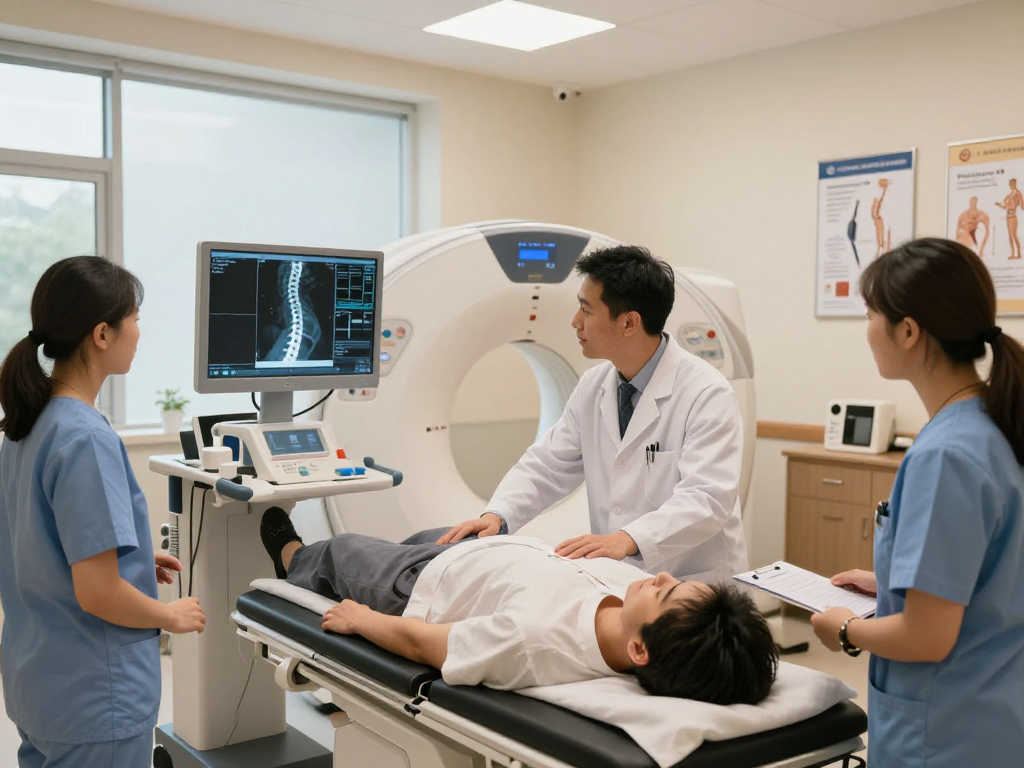
Modern technology plays a crucial role in spine care. Advanced imaging techniques, such as MRI and CT scans, allow for precise diagnoses, while minimally invasive surgical techniques reduce recovery times and improve outcomes. When choosing a spine specialist, inquire about the technologies they employ and their approach to using these advancements in treatment.
Advanced Techniques in Spine Care
The field of spine care has evolved significantly, with numerous advanced techniques available for diagnosing and treating spinal conditions. Understanding these methods can help you make informed decisions regarding your treatment options.
Minimally Invasive Procedures Explained
Minimally invasive spine surgery (MISS) refers to techniques that require smaller incisions compared to traditional surgery. These procedures often lead to reduced pain, quicker recovery, and shorter hospital stays. Some examples include:
- Microdiscectomy: Removal of herniated disc material through a small incision.
- Endoscopic Spine Surgery: Utilizing a camera and specialized instruments to perform procedures through tiny incisions.
Rehabilitation and Recovery Strategies
Post-operative rehabilitation is vital to regain strength and mobility following spine surgery. A comprehensive recovery plan might include:
- Physical Therapy: Tailored exercises to improve flexibility, strength, and stamina.
- Pain Management: Techniques such as medication, nerve blocks, or alternative therapies to manage post-surgery pain.
Innovative Therapies for Pain Relief
New therapies are continually emerging in spine care to provide pain relief without invasive procedures. Some innovative therapies include:
- Regenerative Medicine: Treatments like stem cell therapy may offer potential for healing damaged tissues.
- Bioelectronic Medicine: Devices that use electrical impulses to modulate pain signals in the spinal cord.
Preventive Measures for Optimal Spine Health
Prevention is often the best approach to spine health. Adopting proactive measures can significantly reduce the risk of developing spine-related issues. Here are some effective strategies:
Daily Habits for a Healthy Spine
Incorporating healthy habits into your daily routine can strengthen your spine and improve overall health. Consider the following:
- Ergonomic Workspaces: Ensure your workspace is designed to support good posture.
- Proper Lifting Techniques: Bend at the knees, not the waist, to avoid straining your back.
Recommended Exercises and Stretches
Regular physical activity is critical for spine health. Engage in exercises that promote strength and flexibility, such as:
- Core Strengthening Exercises: Planks and bridges strengthen the muscles that support the spine.
- Stretching Routines: Incorporating stretches like the cat-cow or child’s pose can enhance flexibility.
Nutrition’s Role in Spine Health
A balanced diet rich in vitamins and minerals supports bone and muscle health. Essential nutrients include:
- Calcium: Supports bone density and strength.
- Vitamin D: Aids in calcium absorption and bone health.
Future Trends in Spine Care for 2026 and Beyond
As the field of spine care continues to evolve, staying informed about future trends can enhance your understanding of available treatments and technologies. Here are some anticipated developments:
Emerging Technologies and Treatments
Future advancements in spine care are likely to include:
- Artificial Intelligence: AI may assist in diagnostics and treatment planning, improving accuracy and outcomes.
- 3D Printing: Custom implants and surgical instruments tailored to individual patient anatomy.
The Impact of Telehealth on Spine Care
Telehealth has grown rapidly, providing patients with access to spine specialists remotely. This trend is expected to continue, allowing for:
- Convenience: Patients can consult specialists without needing to travel.
- Increased Access: More individuals can receive care, especially those in remote areas.
Predictions for Future Developments in Spine Medicine
As a result of ongoing research and technological advancements, spine medicine is likely to see improvements such as:
- Personalized Medicine: Treatments tailored to individual genetic profiles may improve outcomes.
- Enhanced Recovery Techniques: Protocols designed to expedite recovery and reduce complications.
What Are the Most Common Spine Conditions?
Understanding common spine conditions is essential for proactive health measures. Some prevalent conditions include:
- Herniated Discs
- Spinal Stenosis
- Degenerative Disc Disease
- Sciatica
How Can I Maintain Good Spine Health?
Maintaining good spine health involves regular check-ups, a healthy lifestyle, and awareness of your body’s signals. Listening to your body and seeking help when necessary is of utmost importance.
What Should I Expect During a Spine Consultation?
During a typical consultation, you can expect a thorough evaluation, including a physical exam and discussion of your medical history. The doctor may recommend imaging studies if needed.
Are Non-Surgical Treatments Effective for Spine Issues?
Many spine issues can be effectively managed with non-surgical treatments like physical therapy, medication, and lifestyle changes. Your spine doctor will guide you toward the most appropriate options based on your specific condition.
How Can I Find the Best Spine Doctor in Abu Dhabi?
Utilizing resources such as online reviews, healthcare directories, and referrals from primary care physicians can help you identify experienced spine specialists in Abu Dhabi who meet your needs.